| RULES | Summary | |
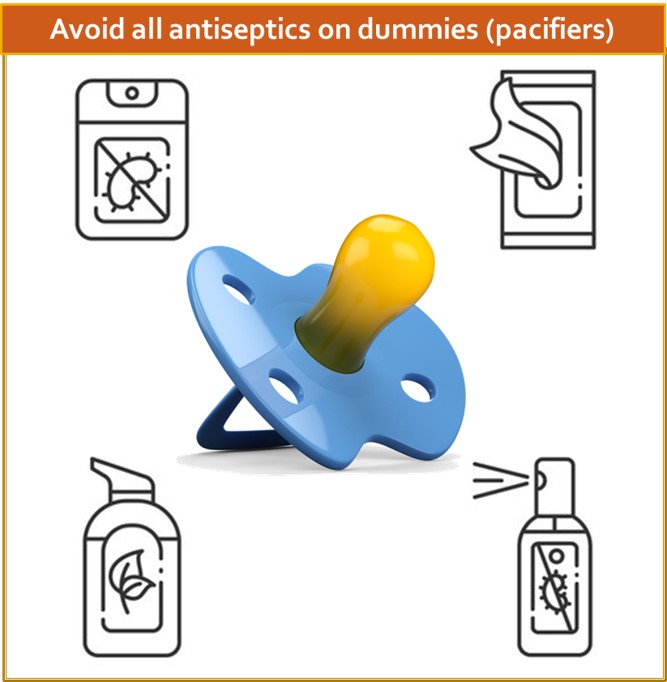
| 1 | Antiseptics |
|
| 2 | SOLID FOODS | No solid food before 4 months of age |
| 3 | IRON-RICH FOODS |
|
| 4 | ALLERGENIC FOODS |
|
Food allergy is very common in childhood
That 1 in 10 children has a food allergy is a shocking statistic. It is damaging or even dangerous to the child and changes the lives of the child and immediate family members. Still, these food allergies may restrict the people who come in contact with a child threatened by food allergies. It will restrict what can or can’t be taken to school for example or their interactions with friends and relatives.
Undertaking the advice given below drawn from the Australasian Society of Clinical Immunology and Allergy (ASCIA), the Medical Observer and Medical Republic will hopefully end what the generation before suffered by not introducing allergenic foods to babies at a time when the immune system learns to become tolerant of these foods. There is a small window of opportunity from 2 to 12 months of age but not beyond 12 months to introduce these foods to your baby’s immune system. 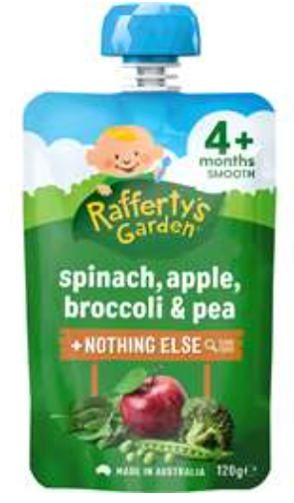
Iron-Rich foods from 4 Months of Age is the place to start solid foods
You have three choices:
- Use commercially prepared foods for your 4+-month-old child
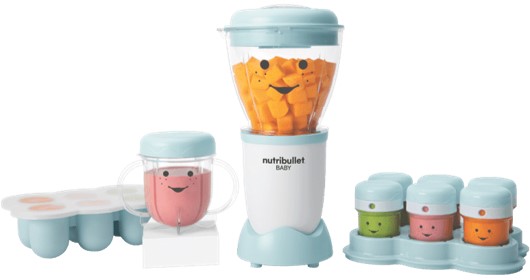
- Prepare your own using fresh, organic ingredients where possible (See Nutribullet Baby below)
- You can use a combination of the choices above as you can use a good commercially available product you have thoroughly researched as a base component and add fresh and hopefully organic ingredients to build up nutrient diversity and complexity. Use Seasonal produce to add diversity of foods as food diversity equals a healthy diversity of bowel organisms in the Gut Microbiome.
Some important information about your choices
- A word of warning with commercial products: Please ensure that the product is not riddled with fruit, fruit and more fruit as fructose is not a good thing in large amounts.
- The trouble with Fructose: A warning – Fructose is 7x – 10x more glycating (damaging to proteins in the body) than glucose4.
 Australian research has also established the damaging effect on central blood pressure (Aorta) which can be raised by 3 – 4 mmHg with habitual fruit juice intake5.
- Some raw fruit, like a variety of organic berries, can be very beneficial but including large amounts of
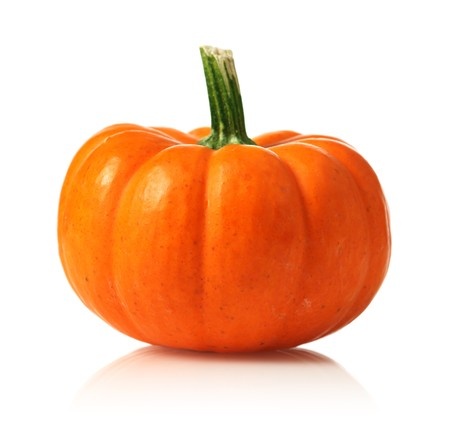
 fruit-based purees, high fructose fruits and fruit juices regularly will be damaging over the long haul in that child’s life.Always read food labels carefully. Look closely at what you think is a good vegetable-rich juice or puree, and you will often find that it is full of fruit (apple, pear) that makes up the bulk of that product. This fruit content could be up to 90% of that so-called vegetable puree or juice because fructose-rich fruits are just cheap fillers.It is misleading packaging and marketing plain and simple. The same for commercial purees that could be packed with fruit. Fruit-rich foods will teach the child to like sweet things.Add stronger veggies to any commercial base product you have and choose a product that has fruit as a minor component. Add Broccoli, Kale and Spinach or Carrots, Beetroot, Brussel’s Sprouts to the base commercial product in a blender to add more bitter-tasting foods (and nutrient complexity and fibre), that will hopefully program the child to like their veggies and veggies are one of the most researched components of diet that provides tremendous health benefits that no one can argue about.
- Please use organic when possible: The environment is riddled with herbicides, pesticides, phthalates, chemicals, and you want to limit exposure. Please remember that perfumes and anything that smells nice is riddled with phthalates which are hormone disrupters a significant problem in a developing child. So keep scents out of the house and never have them 24/7 in the home for example diffusers that attach to an electrical outlet. Consider your perfumes that can have an effect on your baby’s skin and scents are a known factor in worsening eczema. This is why you see statements like “no perfumes”, “no scents” “no fragrances” in many soap-free formulations. The importance of eczema in driving food allergies is discussed below.
- Remember food damages incrementally and acts cumulatively over a lifetime: We need to remember food is damaging. Whether from glycation caused by glucose or fructose after eating or because food has to be converted to energy (producing oxidative stress, free-radicals analagous to industrial factory pollution as a by-product) or the inflammation that is associated with every meal in the body. From parental nutrition to conception and the first 1000 days of life, optimal nutrition in this time period and beyond may have a profound impact on your child’s well-being throughout life. Why this is not 101 dietetics teaching is beyond me. It reeks of vested interests but your vested interest is your child. You couldn’t invest more wisely than to concentrate on what you put in your child’s mouth.
Iron-Rich Foods from 4 Months of Age  |
||
Nutribullet Baby Puree Maker (Opposite)
|
|
|
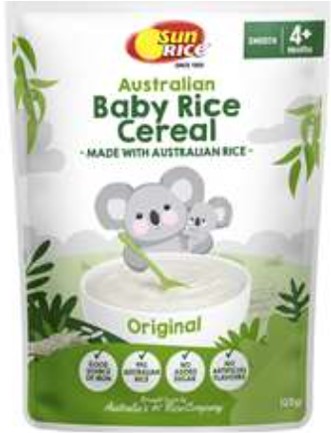
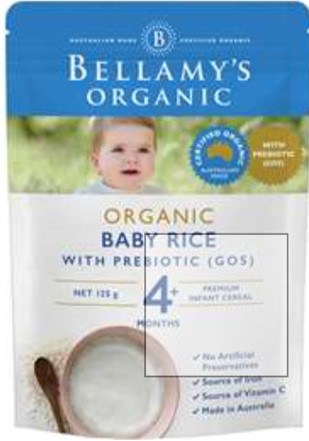
| Iron Fortified Cereals
|
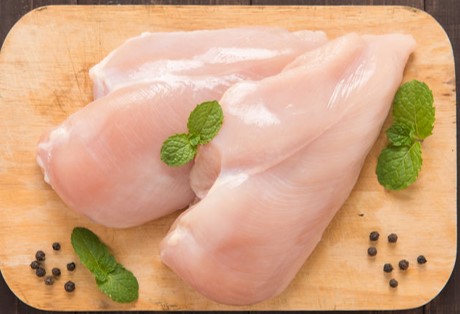
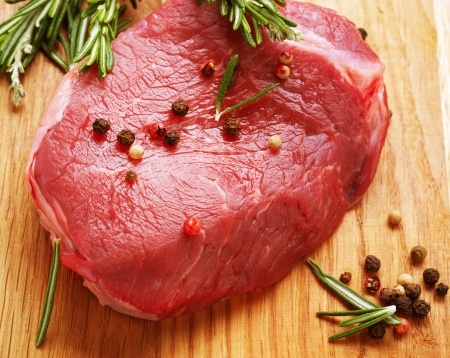
Hormone-Free Chicken or Grass Fed Beef or Lamb
|
|
 
Legumes – small amounts (1 – 2 teaspoons)
|
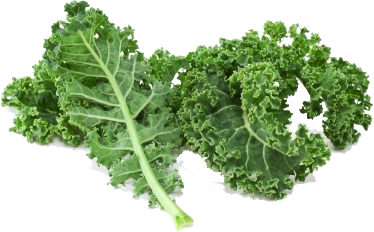 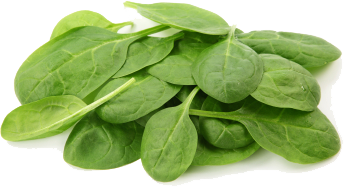
Carotenoid-Rich (Vitamin-A Precursors) NB: Vitamin-A is critical for mucosal immunity |
|
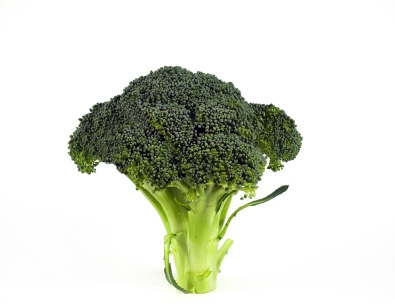
| Add strong vegetables like Broccoli, Kale, Spinach
(The best gift you can give your child to live a long and healthy life is to drive them away from sweet foods an towards vegetables. They will build up a taste for these life saving foods)
|
Add some Flaxseed meal
Constipation is a common problem for babies. It is not about stating a
|
|


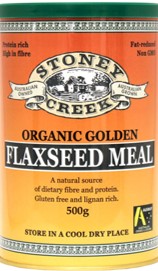 n arbitrary time from when a baby can start flaxseed meal but the following guidelines are important:
Introducing Allergenic Foods from 6 Months of Age  |
|||||||||
| The common allergens
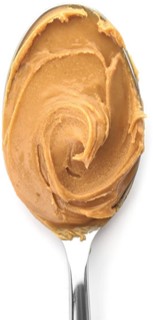
The common allergens to introduce one at a time are: Eggs, Dairy, Soy, Peanuts, Tree Nuts, Fish, Shellfish, Wheat Products Use pastes, purees (See NutriBullet Baby above)
Nuts Timing Rules
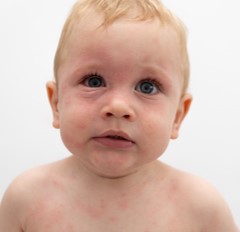
What type of cutlery I use to feed the baby? Best to use non-toxic, BPA-Free, Phthalate-Free, Plastic-Free, Soft-Tipped (Silicone) spoons like the ‘Munchkin’ spoons shown here found on baby stores like Baby Bunting. This protects the baby’s mouth and gums from injury if there is a sudden movement of the head Introducing the first allergenic food if concerned Using the soft tipped spoon, place a small portion (tip of the spoon) in the lower lip and then observe before giving the baby more. Do I need to keep up with these allergenic foods? Yes. ASCIA recommends twice weekly at least. By regularly feeding the baby all the allergenic foods discussed here, you build up tolerance to these foods and the immune system will ultimately ignore them allowing your child to live a normal life free of fear. Avoid allergenic contact with skin. Make sure all eczema is aggressively treated The message needs to get out that it is NOT OK for childhood eczema to be left alone. Skin is a major portal of entry of allergens into the system, especially through damaged skin like eczema, thus activating immune system cells in the skin and systemically. This is a recipe for disaster as this will lead to the “March of Allergies” where one allergy leads to another then another and so on. Even cooking ingredients (think things like aerosolised flour landing on damaged skin), or other food components that can settle on damaged skin to trigger food allergies. The skin needs to be treated with a strong steroid cream and then all the usual measures of maintaing skin integrity such as avoiding soaps, detergents (wash garments, sheets etc. in just water), no bubble baths, soap-free shampoos and conditioners. Discuss treatment with a paediatric Dermatologist. Many GP’s are using outdated information about the use of strong steroid creams and this leaves the child vulnerable to ongoing allergies which may trigger asthma and a range of allergic symptoms. Your input as a parent will help stamp out this scourge affecting the last generation of children. By doing all you can through the introduction of allergenic foods in the critical development period to build up tolerance and ensuring skin health will help society move forward with eradicating food allergies. Delaying the introduction of peanuts till after 12 months actually increases the risk of peanut allergies1, 2. It is vital to note unlike other food allergies which may resolve as the child gets older, 80% of children with allergies to peanuts and tree nuts may be lifelong. This is the same for shellfish, sesame and fish. So please, do not delay the introduction of allergenic foods. We don’t want the next generation to suffer what this current generation of children and adults are going through. We have the knowledge now to stop this occurring. |
|||||||||
The first 1000 days (from conception to 2 years of age) are critical for a bright and healthy future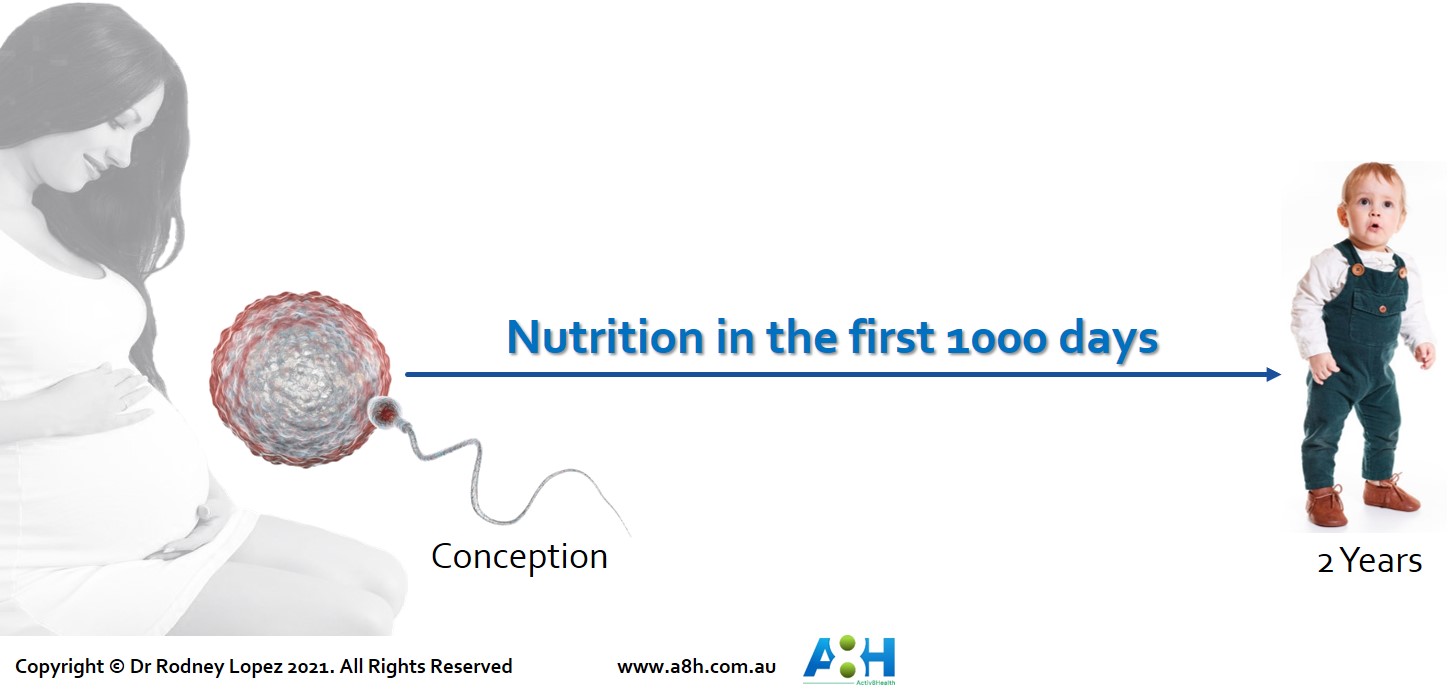
The days when diet is seen to be peripheral to health are coming to an end thank goodness. It is an ignorance that has caused countless millions of people to develop obesity and chronic disease early in life. This has been an ignorant phase in interventionist and pharmaceutical medicine due to dreadful bias and lack of dietetic teaching to budding doctors at universities. We are now moving into an enlightened world of Precision Nutrition with pioneering work done in the same universities that hand out medical degrees. Your baby’s genetics, your genetics, the effects of epigenetics on development even through the baby’s grandparents and what they did in their lifetime, the Gut Microbiome, all have a profound influence on you and your baby’s destinies. Your nutrient intake preconception and throughout pregnancy and breastfeeding is vital to normal tissue and organ development including the brain, rates of obesity, mental health disorders and the avoidance of chronic disease. This is the critical first 1000 day window of opportunity. Please don’t miss this opportunity to nutritionally program your child for long-term health. An excellent paper on this topic states the following:
|
|||||||||
| References |
|
||||||||