Fermented Foods: Benefits  |
- They are rich in probiotics - these are microorganisms that may be beneficial for the gut microbiome
- This adds diversity to your diet and can provide a range of micronutrient benefits often lacking in Western diets
- The fermentation process can breakdown the binding effects of anti-nutrients that prevent the body from absorbing many micronutrients
- Fermentation may also produce may beneficial compounds such as Conjugated Linoleic Acid (CLA)
- If you can tolerate fermented foods, there are many health giving properties you can benefit from.
|
Fermented Foods: Downsides  |
- Numerous compounds may be used in the fermentation process such as Histamine that may not be tolerated by some individuals
- Some like Kimchi may have high levels of salt
- Like all of these foods, it is best to have small amounts of the various fermented foods that are alternated rather than consuming the same food daily which like any food is not advised as this decreases food diversity
|
| |
|
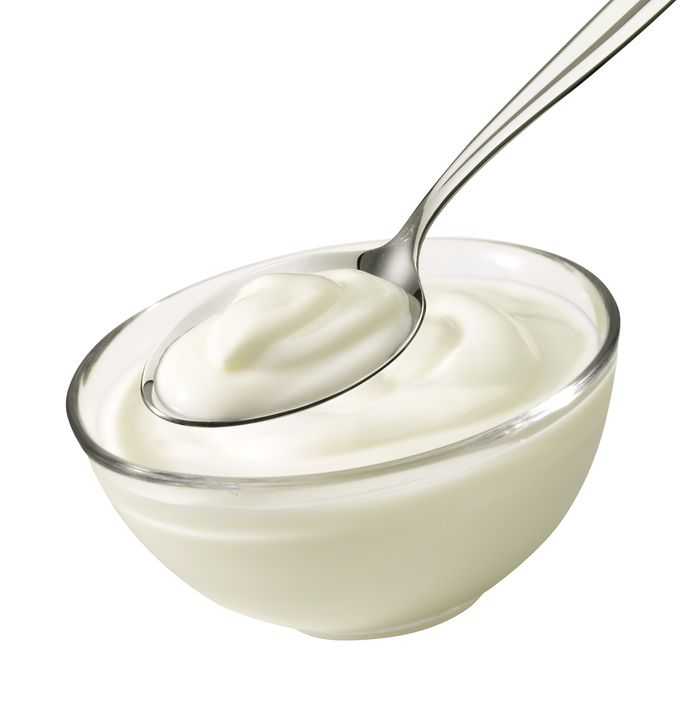 |
Coconut yoghurt's and
Nut Yoghurts
- Many non-dairy yoghurts are available that are rich in probiotics and calcium
|
 |
Kefir
- Is a fermented drink made from a variety of dairy and non-dairy milks
- Kefir grains, rich in a multitude of microorganisms and yeasts are used in the fermentation process
- Lactose is metabolised to lactic acid and hence people with lactose intolerance can tolerate Kefir and indeed most yoghurts.
- Choose a coconut Kefir a non-dairy option but read the label to ensure this is the case
|
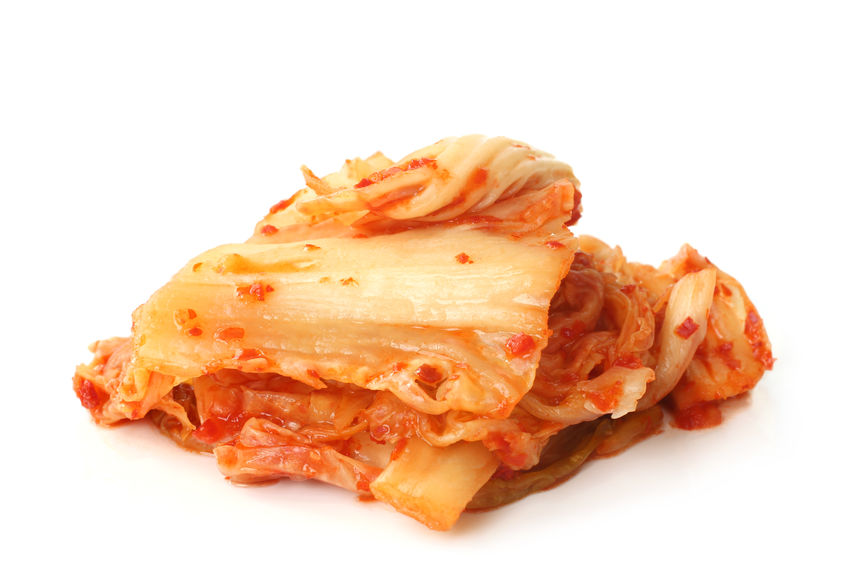 |
Kimchi
- This is a Korean fermented side-dish most often made out of Napa Cabbage and Korean Radishes
- Different vegetables can be used and this dish may have chilli, garlic and salted seafood
- The list of microorganisms in Kimchi is large and this is why fermented foods can be beneficial for your gut microbiome
|
| |
|
 |
Natto
- Natto is a traditional Japanese food
- It is made from fermented soybeans using Bacillus subtilis as the organism involved in the fermentation process
- Rarely eaten in the Western world because of its strong smell, strong taste and its sticky and slimy nature
- The benefits are great however if you consume Natto as 100g has 29% of the Daily Value (DV) of Vitamin-K2 which is vital to keep calcium away from your arteries and heart valves and to ensure strong bones
- 100g of Natto also has 76% of the DV of Manganese plus 48% of the DV for iron and is rich in fibre
|
| |
|
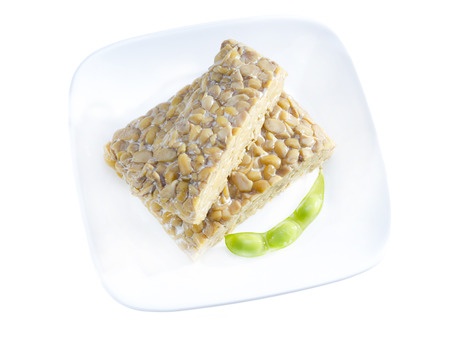 |
Tempeh
- An Indonesian food containing whole, fermented soy beans that are bound in a cake or slice form
- Rich in protein and a multitude of minerals including calcium
- The fermentation process helps to breakdown phytates which bind many minerals thus increasing the bioavailability of these minerals
- Probiotics in tempeh may help to increase gut microbiome diversity
|
| |
|
| |
|