| |
|
Pros & Cons |
| Salmon |
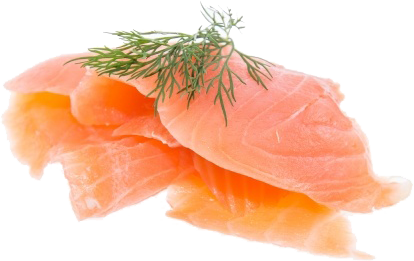 |
- Wild Salmon is higher in Omega-3's
- A large percentage of Salmon available is farmed and if fed mainly grain based foods, this salmon will be high in inflammatory Omega-6's than anti-inflammatory Omega-3's.
- Tassal a Tasmanian company indicates it feeds its Salmon animal products as this fish is a carnivore and also fish oil as all Salmon cannot produce long-chain Omega-3's but acquire the DHA and EPA (the Omega-3's) by eating smaller fish rich in Omega-3's which the acquire from marine algae.
|
| Trout |
Can be used instead of Salmon but less easy to find |
|
Turkey/Chicken/
Game Birds |
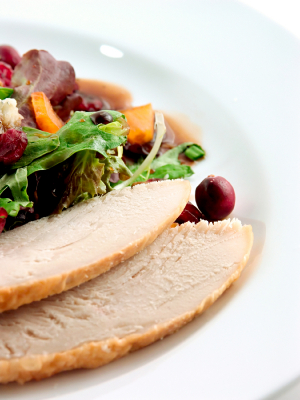 |
- Choose organic
- Choose 'Pasture Raised'
- Think about buying in local farms or farmer's markets or a butcher you can trust
- An excellent lean source of protein
- Remember, the amount you have is important and so choose an Activ8Health Dietitian to guide you.
|
| Quorn |
 |
- Protein produced by fermentation using the Fusarium venenatum fungus
- Internet-based allergy stories are blown out of all proportion when compared to other foods such as soy, peanut, dairy etc.
- It does include egg albumin protein as a binder but a potato based binder for Vegans has become available
|
|
Seitan
Vegan/Vegetarian
|
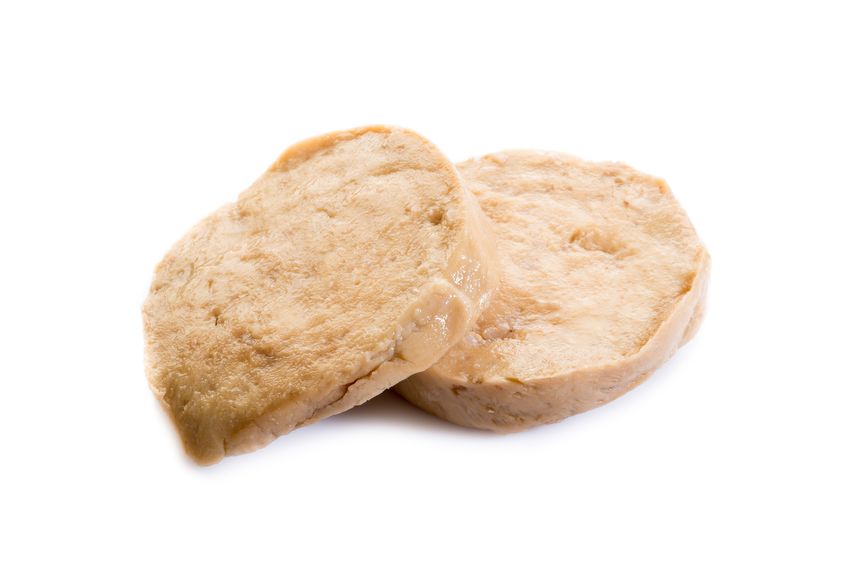 |
- Gluten-based protein
- Can be used as a Tofu/Tempeh substitute
- Not suitable for anyone with a gluten intolerance or with Coeliac Disease
- Wheat protein can be deficient in the amino acid L-Lysine but by combining various foods in your meal, this will not be a problem
|
| Legumes |
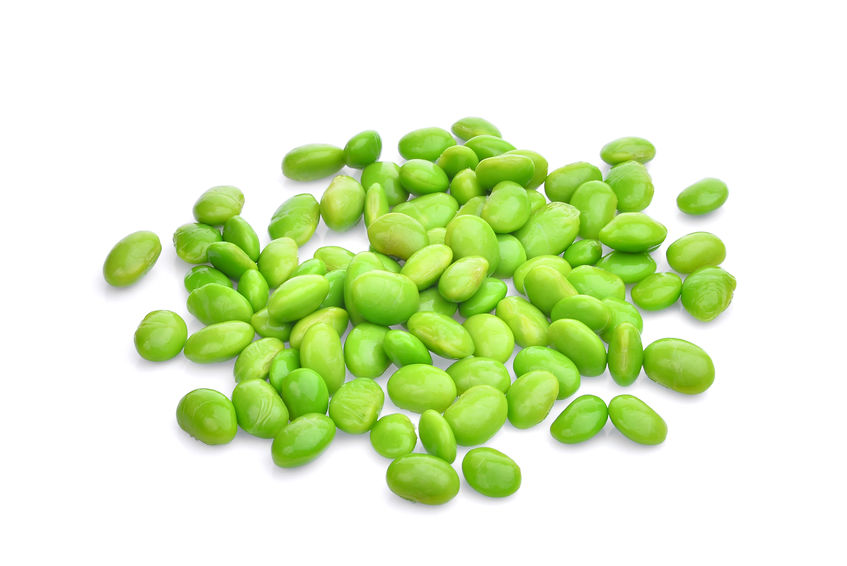 |
- Legumes are high in protein but the downside is that they can be high in carbohydrates which can spike blood glucose levels long after you have eaten them.
- Legumes can be used as an added vegetarian protein source but not as the primary source of protein.
|